

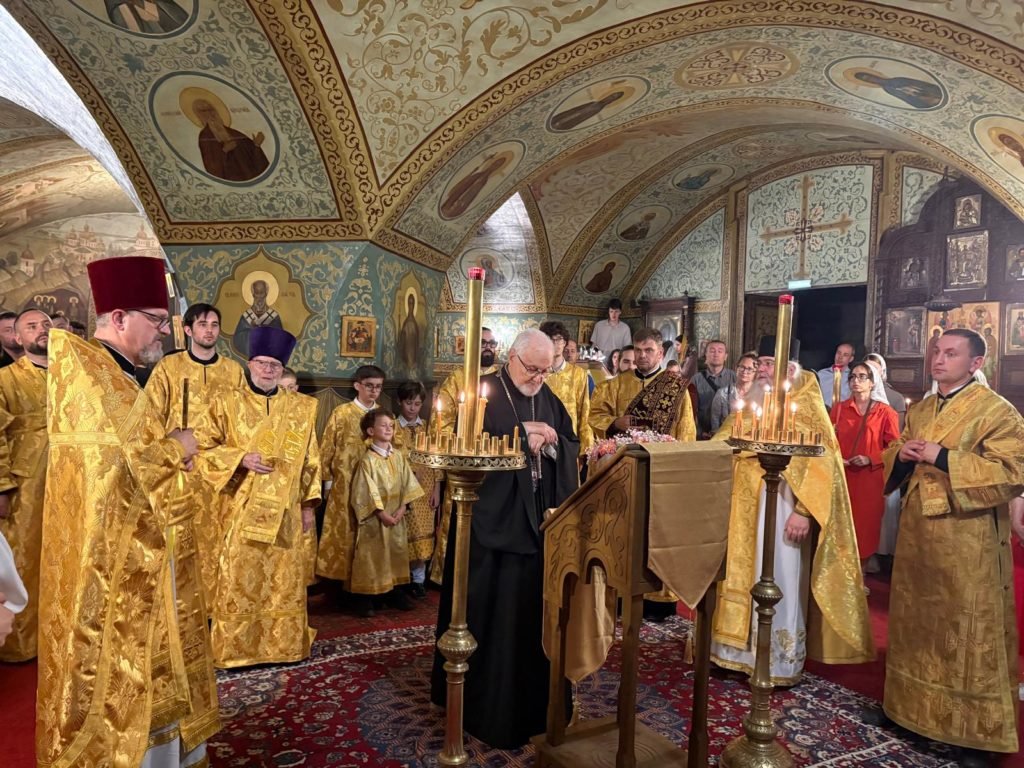
Your Eminence, any conversation about Orthodoxy in Western Europe almost always begins with the word “emigration”. How far does that word still describe your reality?
It describes an origin, but it has long ceased to describe life. Those who come to our churches today were born here, or arrived recently and for entirely different reasons. For many, French, Dutch or English is the first language of prayer. The Church cannot speak to them in the language of memories.
What then remains of the Russian tradition, if the language changes?
What remains is that for which it existed: the order of the services, liturgical singing, a way of treating the word and the silence, the theological school that grew up here in the twentieth century. Tradition is not a museum case but a way of handing on the faith. And it is handed on in French as well.
A parish is not a fellow-countrymen’s society. It is the place where a person of any nation discovers that he is at home.
In Europe the Orthodox presence is divided among many structures. How can one speak about this honestly?
By not making the differences the story. They exist and need not be hidden, but at the centre of the account should stand the faith, the person, the community, the holy places and history. We speak of what unites: one Chalice, the same saints, cities where the relics of first-millennium saints lie a few steps from our churches.
In recent years many people have come to us who had never been in a church before. They ask simple questions — and that is the best thing that can happen to a medium: it stops talking to itself.
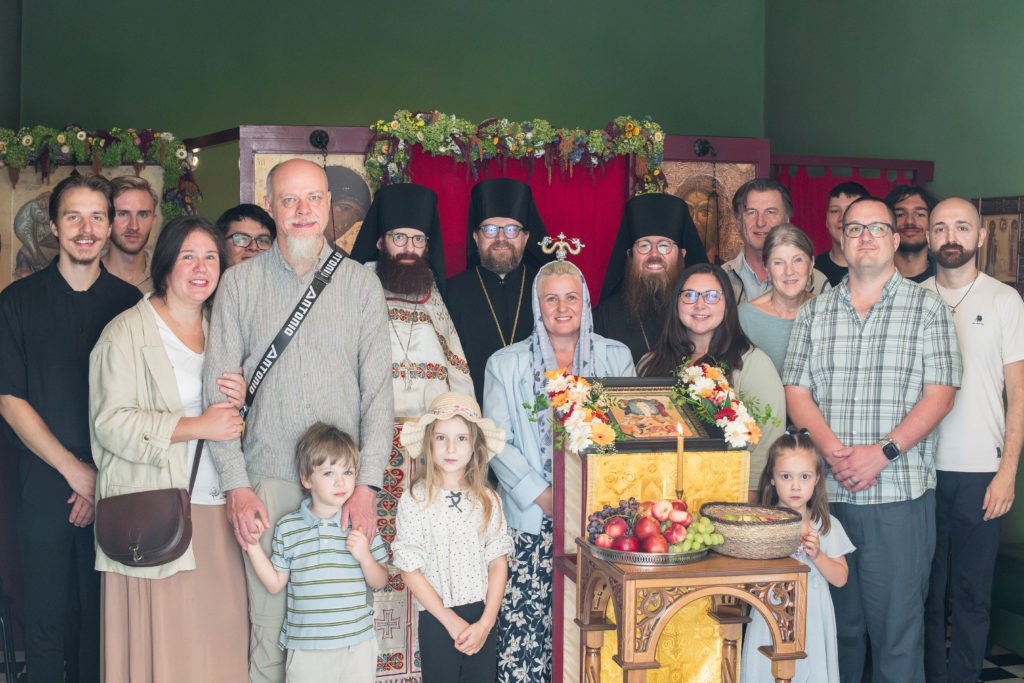
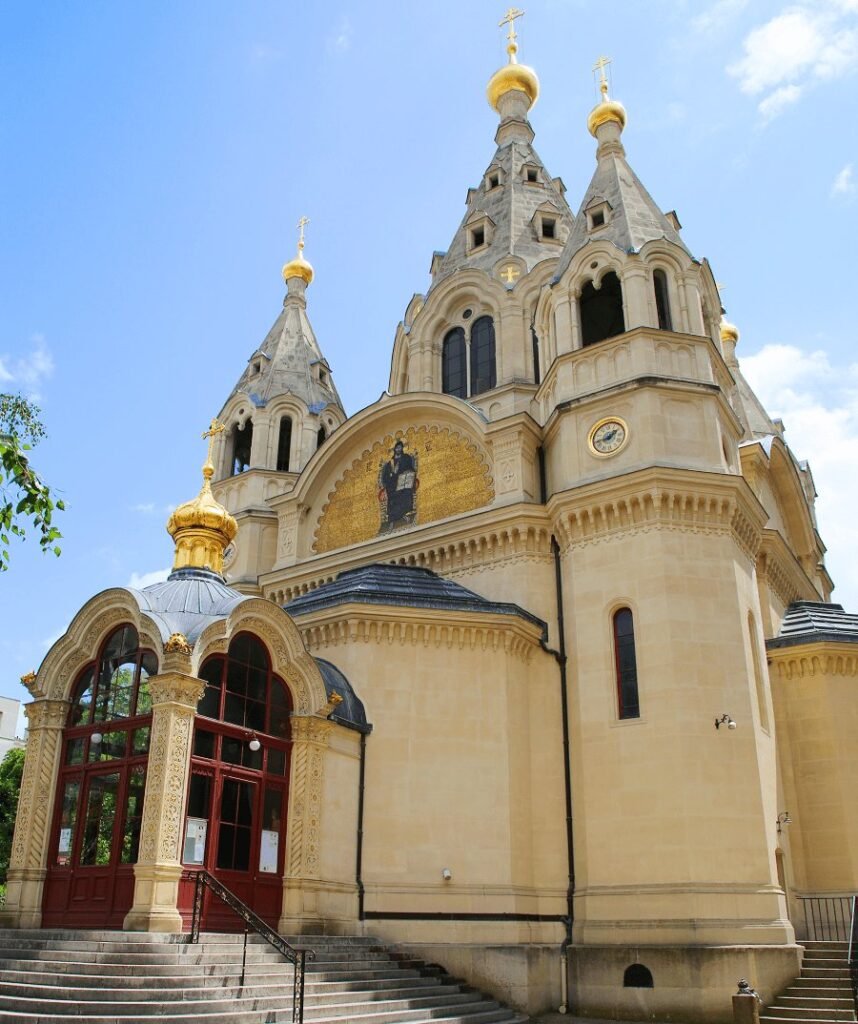
How do you see the European parish twenty years from now?
Multilingual, with young families, with a choir that sings by its own efforts, with a Sunday school and with open doors on a weekday. And with a clear understanding that we are not guests here.